You use the water in your home dozens of times each day, but what is in your water is usually invisible and not often thought about. From the water you drink to the water running through your appliances, its quality quietly influences your comfort, health, and home performance. When water issues arise, they rarely appear as emergencies. Instead, they show up gradually through small frustrations that become part of daily life.
Changes in taste, soap that never seems to rinse clean, mineral buildup on fixtures, or appliances that fail sooner than expected are often dismissed as normal wear and tear. In reality, these are common indicators of underlying water quality conditions.
Water filtration systems allow you to take a more intentional approach to managing these issues by addressing water quality at its source. This guide from Trident Water Treatment explains how water filtration improves household water quality, the benefits you can expect, and why choosing the right system plays an important role in getting effective results.
Understanding Common Water Contaminants in Household Water
Even when your water supply meets safety standards, it may still contain contaminants that affect daily use. These substances often enter water through aging infrastructure, natural sources, or treatment processes themselves. Over time, they can impact everything from taste and odor to plumbing performance and appliance lifespan.
Common Household Water Contaminants You May Encounter
- Sediment such as sand, silt, and rust
- Chlorine and chloramines used for disinfection
- Heavy metals like lead and copper
- Microbial contaminants, especially in well water
Sediment is one of the most visible water quality issues. It causes cloudy water, stains sinks and tubs, and accelerates wear inside appliances. Chlorine and chloramines, while effective disinfectants, often leave behind strong tastes and odors that make water less enjoyable for drinking and cooking.
Heavy metals present a more serious concern. Corroded pipes can introduce lead or copper into household water, even in newer homes with partial pipe replacements. Long-term exposure to these metals may pose health risks, particularly for children and pregnant individuals.
Homes using private wells face additional risks from bacteria and microorganisms, which often go undiagnosed since water testing is solely the responsibility of the owner. Understanding which contaminants affect your water is the foundation of selecting a filtration system that delivers consistent, measurable improvements.
How Water Filtration Improves Health and Daily Wellness
Improving your water quality is an important step in supporting your well-being. Effectively filtered water reduces exposure to contaminants that may contribute to digestive issues, skin irritation, or long-term health concerns. This becomes especially important when your household includes children, older adults, or individuals with sensitivities.
Health Improvements Often Linked to Filtered Water
- Reduced ingestion of unwanted contaminants
- Increased water consumption due to improved taste
- Improved skin and hair
- Cleaner water for cooking and food preparation
Hydration plays a critical role in overall wellness, yet many people drink less water than they should because of poor taste or odor. Filtration removes barriers that discourage regular water consumption, making it easier for you to stay properly hydrated throughout the day.
Skin and hair also benefit from reduced chemical exposure. Chlorine strips natural oils, often leading to dryness, irritation, and brittle hair. Many whole-house filtration systems include media that address these chemicals, making your tap water gentler and more balanced.
In the kitchen, filtered water improves food safety and flavor. Over time, these improvements add up, creating a healthier home environment supported by better-quality water.
Enhancing Taste, Odor, and Overall Water Experience
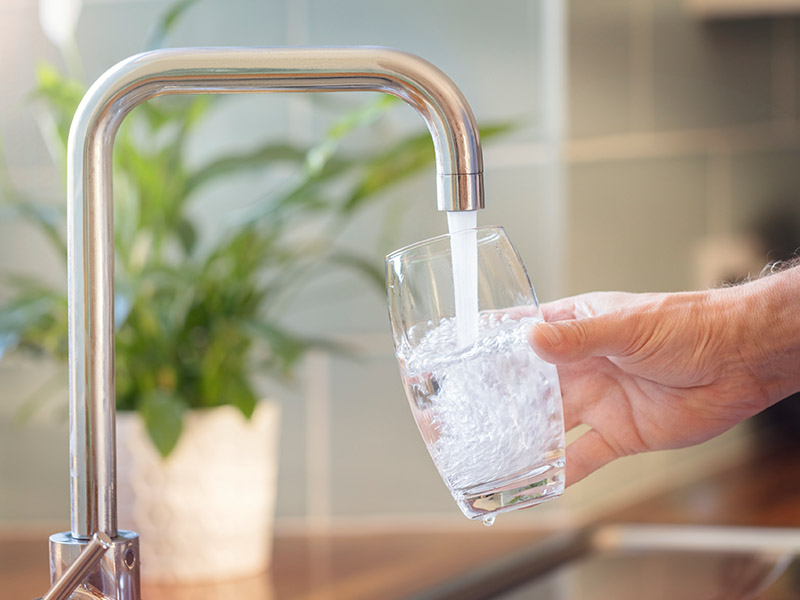
One of the most immediate benefits of water filtration is improved taste and odor. Chlorine, sulfur, and organic compounds often create unpleasant flavors that make water unappealing. Filtration systems can neutralize these elements, delivering water that tastes clean and refreshing.
These improvements extend well beyond drinking water. Coffee, tea, and soups prepared with filtered water have more consistent flavors because ingredients aren’t masked by chemical residues. Even everyday cooking becomes more enjoyable when water quality improves.
Odor reduction is equally important for household comfort. Sulfur smells, or musty odors, can make bathing and cleaning unpleasant. A properly designed filtration system removes the source of these odors.
As these changes integrate into daily routines, your overall experience with water improves. From brushing your teeth to filling a glass before bed, filtered water becomes something you trust and enjoy. While taste and odor improvements may seem subtle, they significantly influence how often and how comfortably you use your water.
Protecting Plumbing Systems and Household Appliances
Water filtration systems do more than improve water quality at the tap—they also protect your home’s plumbing. Sediment, minerals, and chemical residues gradually accumulate inside pipes, restricting flow and increasing corrosion risk. Over time, this leads to leaks, pressure issues, and expensive repairs.
How Filtration Protects Your Home’s Systems
- Reduces scale buildup in pipes and water heaters
- Extends appliance lifespan
- Improves water pressure consistency
- Decreases maintenance and repair frequency
Appliances such as dishwashers, washing machines, and ice makers are especially vulnerable to poor water quality. Hard minerals force these systems to work harder, increasing energy usage and accelerating wear. Filtration can reduce these stressors, allowing appliances to operate efficiently and last longer.
Fixtures benefit as well. Faucets and showerheads clog less frequently and maintain consistent performance when sediment levels are reduced. Maintenance becomes less frequent, saving time and reducing frustration.
Viewed as part of home maintenance, water filtration becomes a practical long-term investment.
Choosing the Right Water Filtration System for Your Needs
Selecting the right water filtration system depends on your water source, household size, and specific water quality concerns. No single solution works for every home, which is why understanding your water conditions is essential.
Factors to Consider When Selecting a Water Filtration System
- Municipal water versus private well
- Contaminants present in your supply
- Household size and water usage
- Filter replacement and maintenance requirements
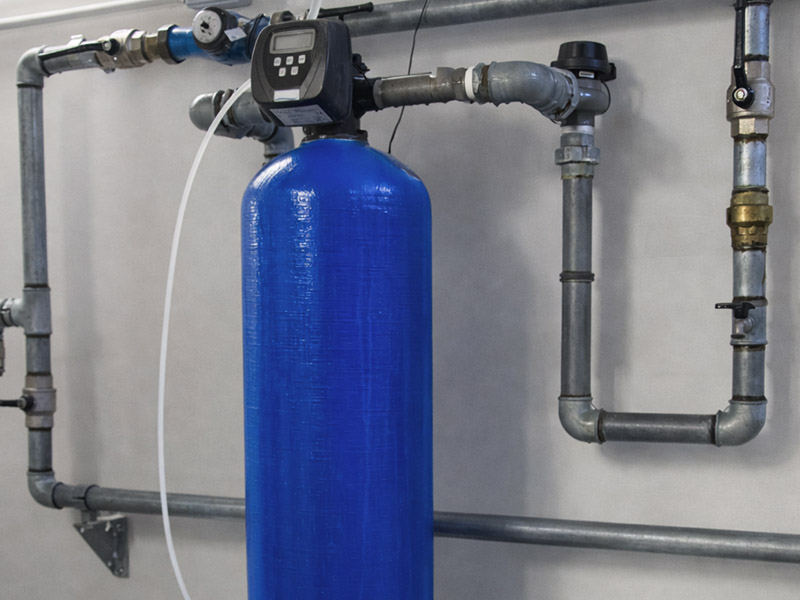
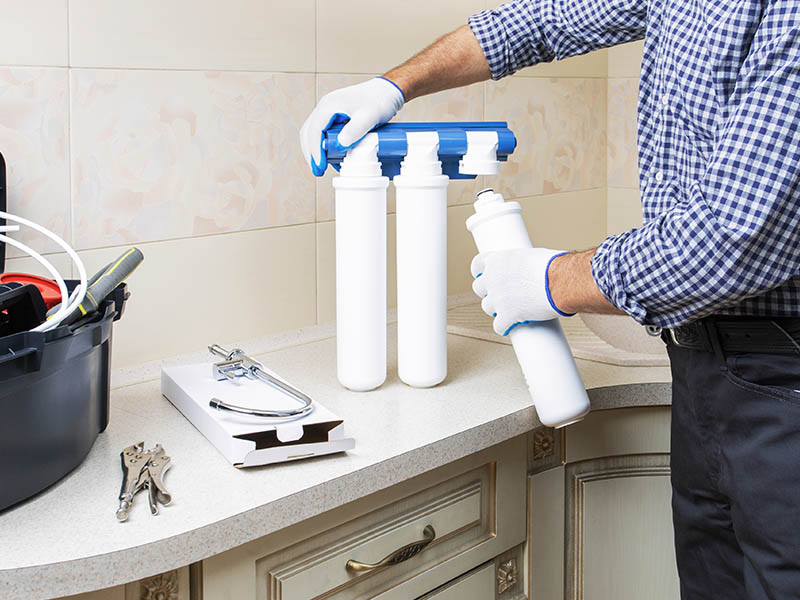
Point-of-use systems, such as reverse osmosis filtration, focus on drinking and cooking water. These options work well when taste, odor, or specific contaminants are the primary concern. Whole-house filtration systems treat water as it enters your home, ensuring consistent quality for bathing, laundry, and appliance use.
Some households benefit from multi-stage systems that combine sediment filtration, carbon filtration, and advanced technologies like acid neutralizers. These layered approaches provide higher levels of purification and broader contaminant coverage.
No matter what type of system you choose, it’s important to remember that maintenance should never be overlooked. Filters require regular replacement to remain effective, and system components need routine upkeep and cleaning. Choosing a system aligned with your lifestyle and maintenance preferences ensures long-term performance without unnecessary complexity.
A Smarter, Long-Term Approach to Clean Water
Water quality isn’t something most homeowners think about until it becomes a problem. By the time issues show up as buildup, appliance wear, or daily inconvenience, the underlying cause has often been present for years. Filtration changes that dynamic by allowing water quality to be addressed intentionally, before it affects comfort and efficiency.
What ultimately determines success is how well a filtration system is matched to the home it serves. Results depend on accurate water testing, proper system sizing, and attention to long-term performance. Trident Water Treatment approaches water treatment with this full lifecycle in mind, helping you move from short-term fixes to solutions that remain effective.
If you’re ready to stop reacting to water-related issues and start managing your water with confidence, contact Trident Water Treatment today. We’ll get you scheduled for a water assessment and help you build a water treatment plan designed for your home.