Hard water is a common yet often overlooked issue that affects homes and businesses alike. From scale buildup in pipes to inefficient appliances and stiff laundry, the presence of excess minerals such as calcium and magnesium can lead to costly and inconvenient problems. A properly installed water softener system not only addresses these concerns but also enhances water quality.
Trident Water Treatment is a leader in water softener installation and comprehensive water treatment services, providing us with the expertise and knowledge to help you understand why a water softener system is beneficial for your home. In this guide, we’ll explore everything you need to know about water softener installation—its process, benefits, and the long-term advantages of partnering with a trusted water treatment expert.
What Is a Water Softener and How Does It Work?
A water softener is a specialized filtration system designed to remove minerals that cause water hardness—primarily calcium and magnesium. When hard water flows through household plumbing, these minerals deposit on surfaces, forming limescale. Over time, this can clog pipes, reduce water pressure, and damage appliances such as dishwashers, washing machines, and water heaters.
The water softening process typically relies on ion exchange technology, where hard water passes through a resin bed containing sodium or potassium ions. As the hard minerals pass through, they are exchanged for softer ions, effectively removing the hardness from the water. The system then undergoes a regeneration cycle, flushing out the accumulated minerals and restoring the resin for continued operation.
Modern systems also feature salt-free or magnetic alternatives, which condition rather than soften water. However, ion exchange systems remain the most effective solution for truly soft water. Understanding how your water softener system functions is crucial to proper installation and maintenance.
The Importance of Professional Water Softener Installation
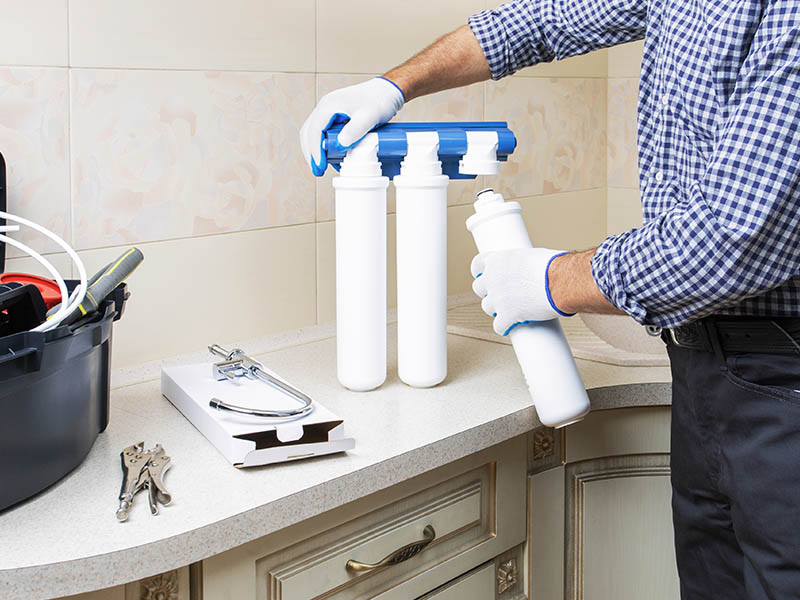
Proper installation is critical to maximizing the performance and longevity of a water softening system. While some homeowners may consider a DIY approach, professional installation ensures the system is calibrated correctly and integrated seamlessly into your existing plumbing. Even small installation errors—such as incorrect pipe connections or misaligned bypass valves—can result in leaks, inefficiency, or premature system failure.
A licensed water treatment technician begins by evaluating your water hardness levels, the layout of your plumbing, and your household’s water consumption. Based on this assessment, they determine the ideal system size, resin capacity, and installation point—typically near the main water line before it branches into your home. They also ensure that the system is installed with the correct drainage for the regeneration cycle, proper electrical connections, and adherence to local building codes.
Professional installers also optimize flow rate and pressure balance to maintain consistent water performance throughout your property. Ultimately, professional installation provides peace of mind—guaranteeing that your investment delivers consistently soft water and reduces the risk of costly repairs or water damage in the future.
Key Benefits of Installing a Water Softener
The benefits of installing a water softener extend well beyond preventing scale buildup. One of the most immediate advantages is the improvement in water quality and feel—soft water leaves skin smoother, hair shinier, and laundry cleaner. Detergents and soaps lather more effectively, reducing the need for excess cleaning products.
From a maintenance perspective, soft water protects your plumbing and water-using appliances. Without scale deposits, water heaters operate more efficiently, reducing energy consumption by up to 30%. This leads to lower utility bills and extends appliance lifespan.
Additionally, businesses such as restaurants, hotels, and manufacturing facilities greatly benefit from water softening systems. By maintaining clean water lines and preventing mineral accumulation in machinery, operations remain efficient and compliant with industry standards. Over time, the cost savings from improved energy efficiency and reduced maintenance more than justify the investment.
Finally, water softeners enhance environmental sustainability by decreasing chemical usage and reducing waste and energy consumption. Whether for residential or commercial use, the advantages are both immediate and long-term—making water softener installation a wise and sustainable choice.
How to Choose the Right Water Softener for Your Needs
Selecting the ideal water softener depends on several factors, including water hardness level, household size, and water usage patterns. A thorough water test is the first step, providing insight into mineral concentrations and other potential contaminants. This data helps determine whether you need a standard ion exchange softener or a more advanced, hybrid system that combines softening and water filtration.
Capacity is another key consideration. The capacity of a water softener is measured in grains—the amount of hardness it can remove before regeneration. For example, a family of four with moderately hard water may require a system rated between 32,000 and 48,000 grains. Choosing an undersized unit can lead to frequent regeneration cycles, while an oversized system wastes salt and water.
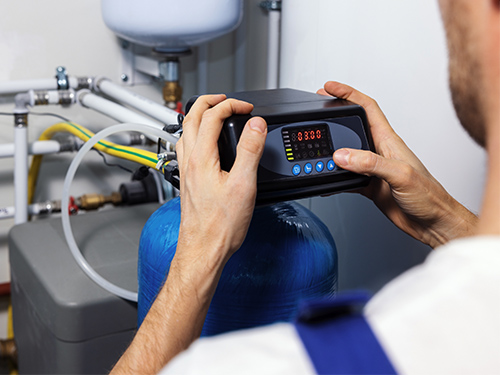
Technology also plays an important role. Modern models feature demand-initiated regeneration, which adjusts automatically based on water use. This improves efficiency and reduces operating costs. Some units even include smart controls with Wi-Fi monitoring, making it easy to track system performance remotely.
Finally, factor in installation space, maintenance accessibility, and the availability of professional support. Consulting an expert, such as Trident Water Treatment, ensures you receive the right system for your water conditions and budget—backed by professional guidance from selection through installation.
Maintenance Tips for Optimal System Performance
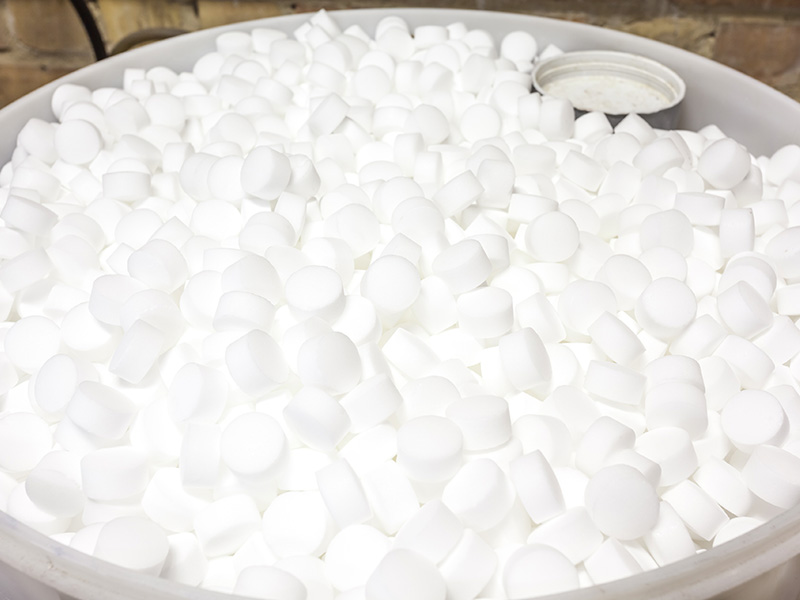
Even the most advanced water softener requires regular maintenance to ensure consistent performance and longevity. The most basic maintenance task is checking and replenishing the salt in the brine tank. Low salt levels can interrupt the ion exchange process, allowing hard water to pass through untreated.
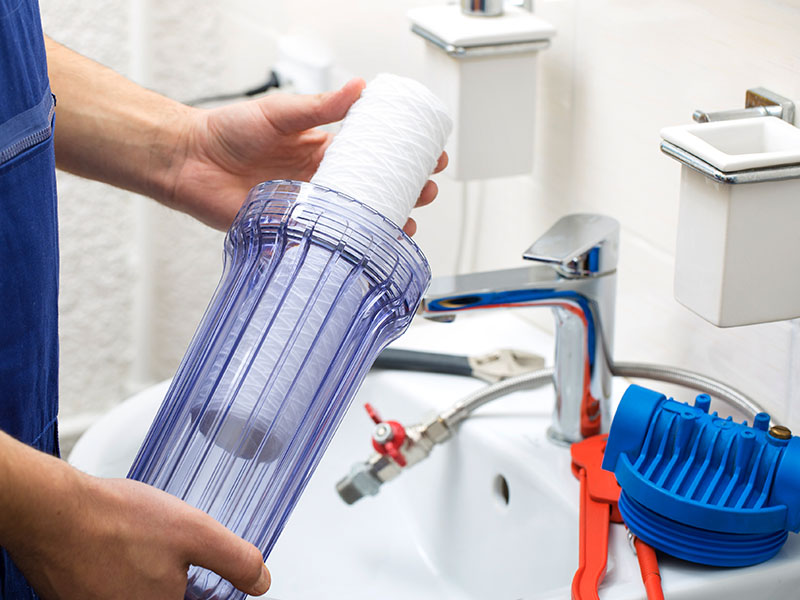
In addition to salt management, the resin bed should be cleaned periodically with a resin cleaner to remove iron, sediment, and organic fouling. It’s also important to inspect valves, seals, and hoses for leaks or blockages. Many systems include a bypass valve, allowing you to isolate the unit during maintenance or when performing tasks like watering your garden—this prevents unnecessary soft water use and extends system life.
Regularly testing water hardness ensures your system is performing properly. If water feels slippery or there’s visible scaling, regeneration frequency or salt concentration may need adjustment. Annual professional servicing helps detect early signs of wear and ensures that electronic components and flow meters are functioning correctly.
By following these maintenance practices, you can enjoy reliable, high-quality soft water while extending the lifespan of your water softener. Proper upkeep protects your investment and maintains efficiency year after year.
Common Myths and Misconceptions About Water Softeners
Despite their proven benefits, several misconceptions about water softeners persist. One common myth is that softeners add too much sodium to drinking water. In reality, the sodium increase is minimal—typically less than what’s found in a single slice of bread per glass of water. For those on low-sodium diets, bypass faucets or reverse osmosis systems can provide sodium-free drinking water.
Another misconception is that water softeners waste water. Modern systems are designed to be highly efficient, using demand-based regeneration to minimize water and salt use. Advances in technology have made today’s units far more eco-friendly compared to older models.
Some also believe that soft water feels “slimy.” This sensation is actually the result of soap rinsing more effectively, leaving behind clean, residue-free skin rather than a mineral film.
Finally, many assume softeners require constant attention or complex maintenance, but most systems are largely self-operating, needing only periodic salt refills and annual checkups.
Partner with Trident Water Treatment for Expert Solutions
Installing a water softener is one of the most effective ways to enhance water quality, protect your plumbing system and appliances, and create a more comfortable living or working environment. By understanding how water softeners function—and recognizing the importance of professional installation and regular maintenance—you can make a confident investment in your property’s long-term performance.
With a combination of advanced technology, proven expertise, and a commitment to exceptional service, Trident Water Treatment delivers reliable, customized water softening solutions. Our certified technicians manage every stage of the process—from in-depth water testing and tailored system design to expert installation and ongoing maintenance.
Our focus is on providing complete, end-to-end water treatment solutions that meet your unique needs. Whether for residential or commercial applications, Trident Water Treatment helps you enjoy softer water, lower energy costs, and greater peace of mind through high-quality systems.
Contact our team today to schedule a professional water test and water softener consultation. It’s time to discover how cleaner, softer, and more sustainable water can transform your home or business.